
How to Stay Healthy in the Winter: Nutrients to implement daily
Winter tends to place extra demands on the body. Colder temperatures, more time indoors, and a busy holiday season can all make the immune system work harder than usual. While there is no single cure for colds or influenza, certain nutrients and natural remedies can strengthen the body’s ability to prevent illness and support a smoother recovery when sickness does appear. These foods and compounds help the immune system function more efficiently, calm excessive inflammation, and create an environment where healing can happen more naturally.
Vitamin C
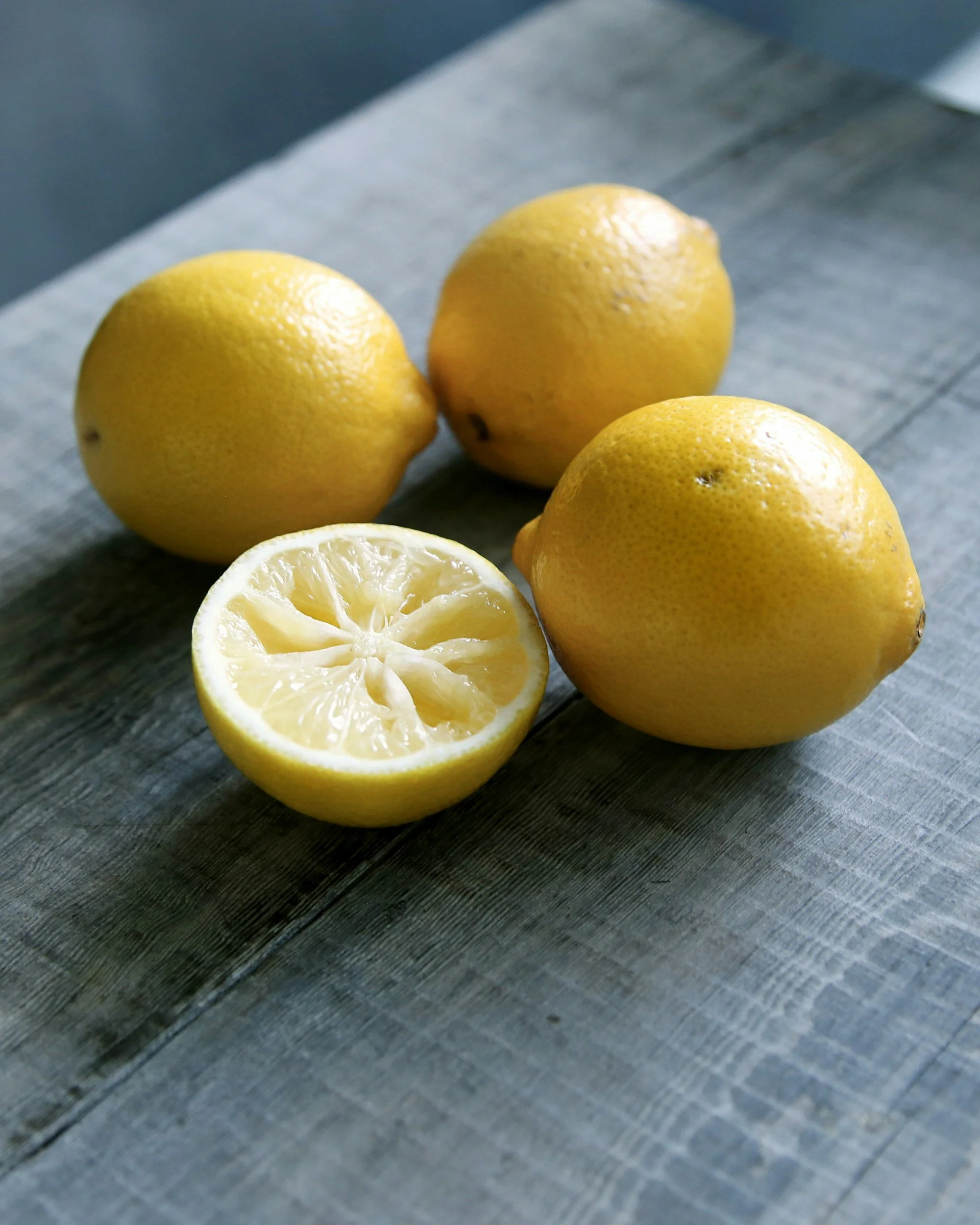
Vitamin C plays a significant role in supporting both prevention and recovery from seasonal illnesses. It strengthens the body's first line of defense by supporting healthy skin and mucous membranes, which act as physical barriers that block pathogens. It also fuels immune cells like neutrophils and lymphocytes so they can respond more effectively when the body encounters a virus. Because the immune response produces oxidative stress, vitamin C acts as an antioxidant that protects these cells from damage while they work.
Beyond direct immune support, vitamin C helps regulate inflammation and supports balanced cortisol levels during illness. The body burns through vitamin C more quickly during stress, and being sick is a form of physiological stress. It also increases the absorption of non heme iron from foods, which supports oxygen transport and immune cell production. While vitamin C does not completely prevent viruses from entering the body, consistent intake can reduce the severity and duration of sickness and support overall immune resilience.
Turmeric
Turmeric is a powerful support tool during the winter months thanks to its active compound, curcumin. Curcumin has been widely studied for its ability to calm inflammation and reduce oxidative stress. During a cold or flu, the body’s inflammatory response can escalate quickly and contribute to symptoms such as congestion, aches, and fatigue. Curcumin helps regulate this response so the immune system can do its job more efficiently without overwhelming the body.
In addition to reducing inflammation, turmeric influences immune signaling pathways that help the body respond to viruses in a more organized and effective way. It is not a fast acting remedy, but steady use in food or warm drinks can help the body navigate the stress of winter illness and recover with greater ease.
Zinc
Zinc is essential for the development and function of several key immune cells. It supports neutrophils, natural killer cells, and T cells, all of which act as early responders when a virus enters the body. Zinc also plays a role in preventing viral replication in the nasal passages and throat, which is why it has been shown to reduce the duration of colds when taken at the onset of symptoms.
During illness, the body uses zinc at a faster rate because immune cells rely on it for communication and repair. Even mild zinc deficiency can impair the immune response and increase vulnerability to winter illnesses. Consistent intake through food or low dose supplementation can help maintain strong baseline immunity throughout the season.
Apple Cider Vinegar
Apple cider vinegar does not directly destroy viruses, but it supports the body in ways that influence immune strength. Its natural acidity helps maintain healthy stomach acid levels, which are essential for proper digestion and also serve as an important barrier that prevents harmful microbes from moving deeper into the body. ACV contains organic acids that support microbial balance in the upper digestive tract, which is a key part of the immune system.
Because the gut and immune system are closely linked, anything that supports digestion also supports overall resilience. ACV may also help steady post meal blood sugar, which indirectly supports immune strength by reducing unnecessary cortisol spikes. When used gently in warm water or in daily meals, ACV can be a subtle and supportive winter wellness tool.
Cayenne

learn more on my Instagram; click above
Cayenne pepper supports the body during illness by increasing circulation. When the sinuses or respiratory tissues feel congested and sluggish, cayenne helps stimulate movement and warmth through the active compound capsaicin. Capsaicin can thin mucus, making it easier to expel and helping relieve sinus pressure.
Cayenne also encourages the release of endorphins, which can reduce the discomfort of body aches. While it does not treat the illness itself, it eases symptoms and supports the body in maintaining healthy movement and flow. A small amount in warm tea, broth, or herbal blends can make a noticeable difference in how the body feels during congestion.
Garlic
Garlic contains allicin, a compound with natural antiviral, antibacterial, and antifungal properties. When garlic is chopped or crushed, allicin becomes active and begins supporting the body’s ability to fight pathogens. These compounds help the immune system interfere with microbial growth and make it easier for the body to clear infections.
Garlic also enhances the activity of macrophages and natural killer cells, two of the primary immune cells that respond at the earliest signs of illness. Regular use of raw or lightly cooked garlic during cold and flu season can help reduce symptom severity and support a smoother recovery.
Raw Honey and Manuka Honey
Raw honey contains natural enzymes, antioxidants, and gentle antimicrobial compounds that support throat and respiratory health. It coats irritated tissues, which can reduce coughing and soothe soreness. Raw honey also contains small amounts of hydrogen peroxide, which contributes to its antibacterial qualities.
Manuka honey contains a unique compound called MGO, which provides a stronger antimicrobial effect compared to regular honey. This makes it especially helpful for stubborn throat discomfort or microbial imbalance. Both raw and Manuka honey support healing and comfort, particularly when added to warm teas or taken on its own.
Other Helpful Winter Nutrients
Winter wellness can also be supported by nutrients such as vitamin D, vitamin A, and elderberry. Vitamin D plays an important role in immune regulation, and deficiency is common during months with limited sunlight. Vitamin A supports the health of mucous membranes in the nose, throat, and lungs, which form the body’s first line of defense against viruses.
Elderberry provides antioxidant and antiviral flavonoids that may help reduce the duration and intensity of respiratory infections. These nutrients work together to strengthen the body’s foundational immune systems and improve overall winter resilience.
***
While no single nutrient or remedy can completely prevent illness, each one offers meaningful support for the body’s natural defenses. Combined, they help strengthen the immune system, regulate inflammation, ease symptoms, and encourage smoother recovery. Winter wellness works best when it is gentle, consistent, and focused on supporting the body rather than overpowering it. By incorporating these tools into daily routines, it becomes easier to stay resilient, balanced, and well throughout the colder months.
