
Wintering Well: 10 Nutrients That Carry Us Through the Cold
Winter comes quietly; the air sharpens, the nights are longer, and our environment asks us to slow down. Our bodies turn inward just like the trees, craving warmth, steadiness, and deeper nourishment. Food becomes energy, resilience, comfort, and care. To nourish ourselves well in the winter is to remember that our bodies are wise and deserving of support. It is an act of love to feed ourselves what helps us thrive instead of just endure.
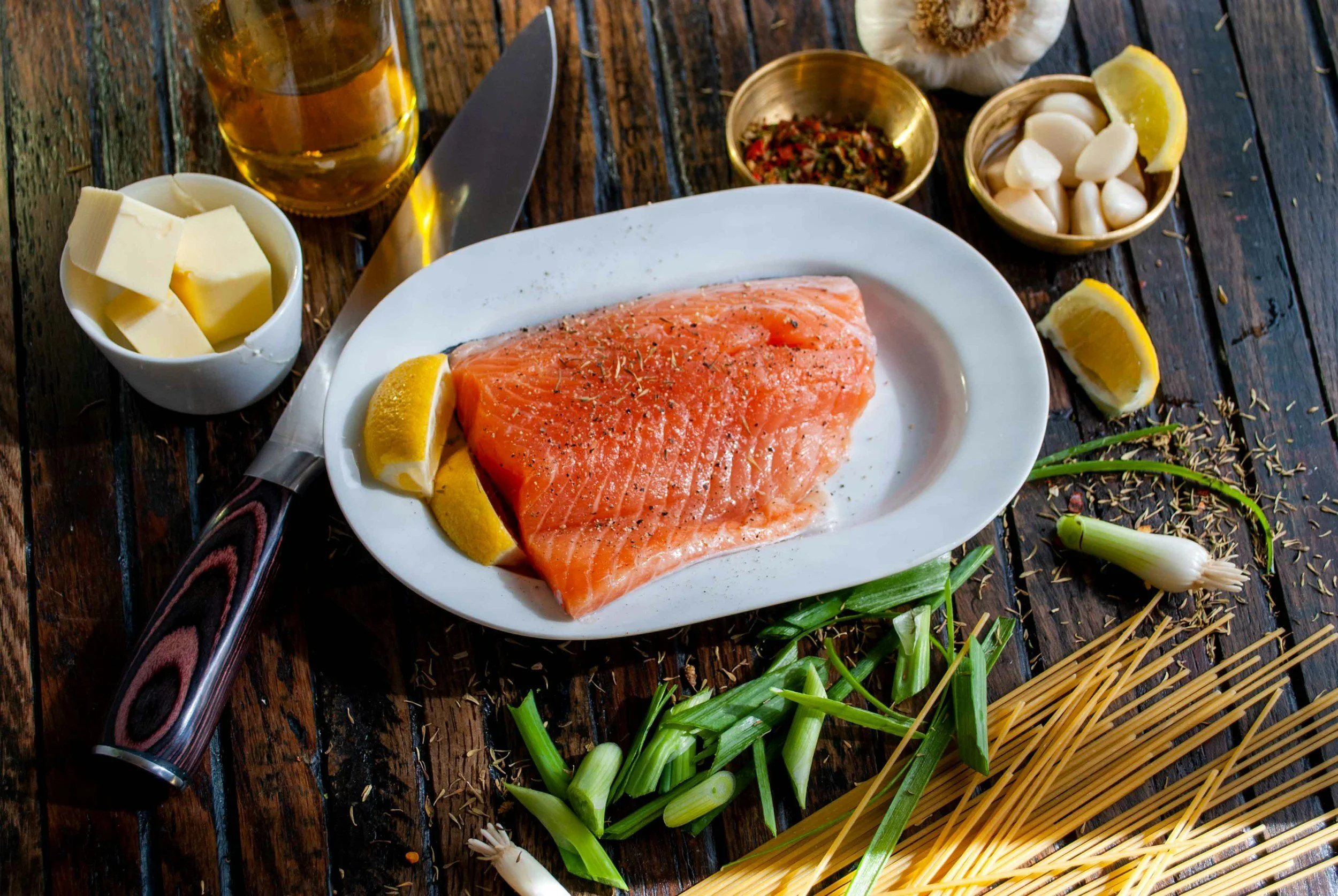
Vitamin D
As sunlight fades, so does our natural production of Vitamin D. This nutrient supports our mood, bones, and immune system. Historically, people relied on fatty fish, cod liver oil, and winter mushrooms to carry them through cold seasons when sun exposure was minimal.
Good sources to include: wild salmon, sardines, egg yolks from pastured hens, sun exposed mushrooms, raw dairy with added vitamin D
Try this: bake salmon with lemon and fresh herbs or leave mushrooms on a sunny windowsill to boost their D content naturally.
Omega 3s
Cold seasons ask our metabolism to work harder and healthy fats can help us meet that demand. Omega 3s support brain function, hormone balance, and inflammation reduction. Older cultures survived long winters with oily fish and animal fats that offered slow burning energy.
Food ideas: chia seeds, flax seeds (freshly ground is best), walnuts, wild caught fish, grass fed butter and ghee
Tip for easy intake: add ground flax to morning oatmeal or drizzle warm vegetables with ghee for richness.
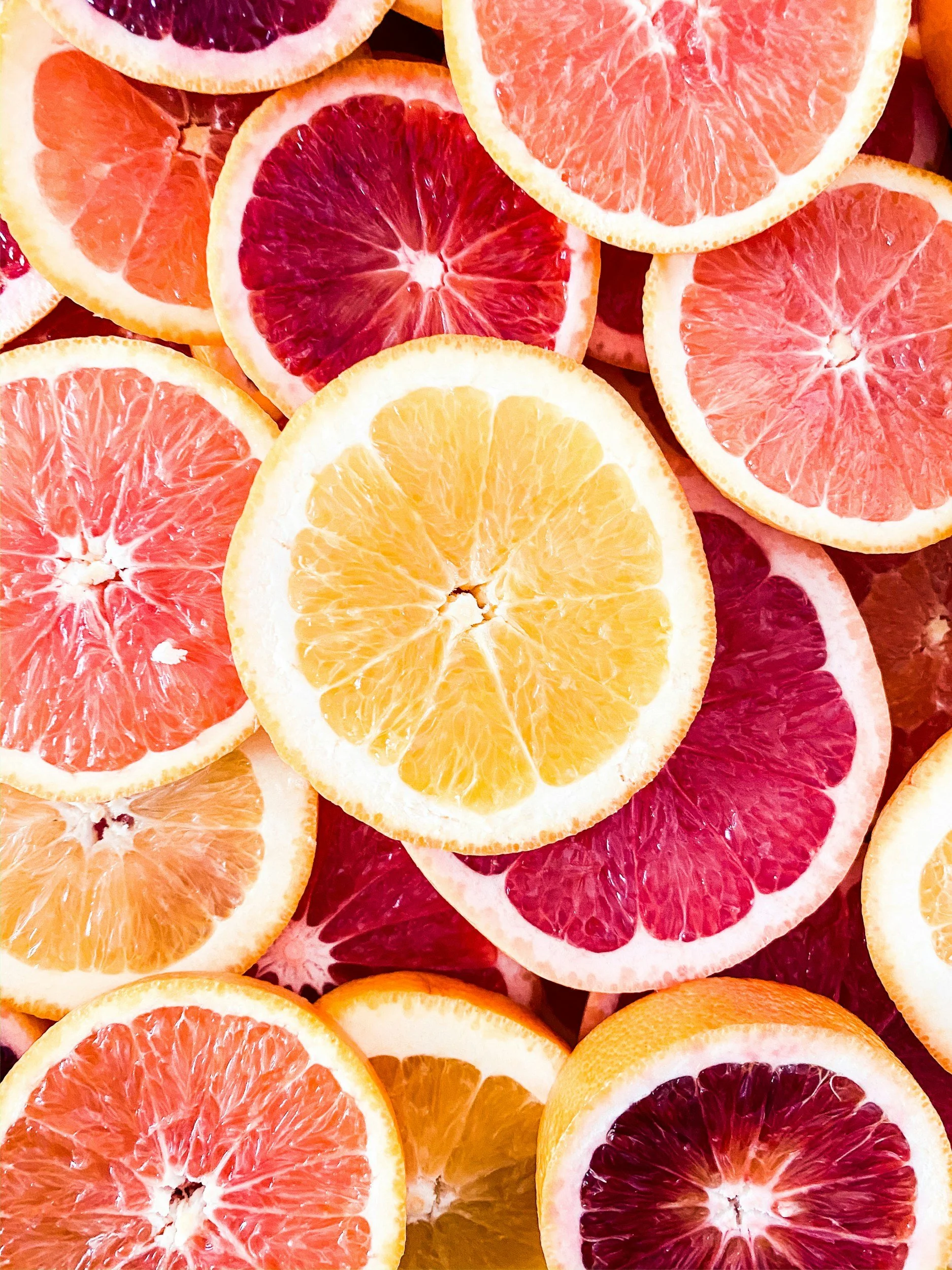
Vitamin C
Vitamin C is like a spark in the body. It supports immune cells, collagen production, and winter skin that often feels dry or dull. Long ago, sailors stored citrus on ships for months to prevent scurvy through the darkest stretches at sea. We can learn from that wisdom and consume citrus fruits all through the winter.
Foods to keep around: oranges, lemons, grapefruit, bell peppers, broccoli, rose hips, sauerkraut
Try this: warm water with lemon, raw honey, and ginger on cold mornings.
Zinc
Zinc often sits in the background, yet it plays a big role in immune defense and healing. Traditional winter diets included oysters and wild game, both deeply rich in zinc.
Foods to rotate in: oysters, pumpkin seeds, beef, chickpeas, cashews, raw cacao
Quick snack idea: toast pumpkin seeds with sea salt and smoked paprika for something simple and mineral rich.
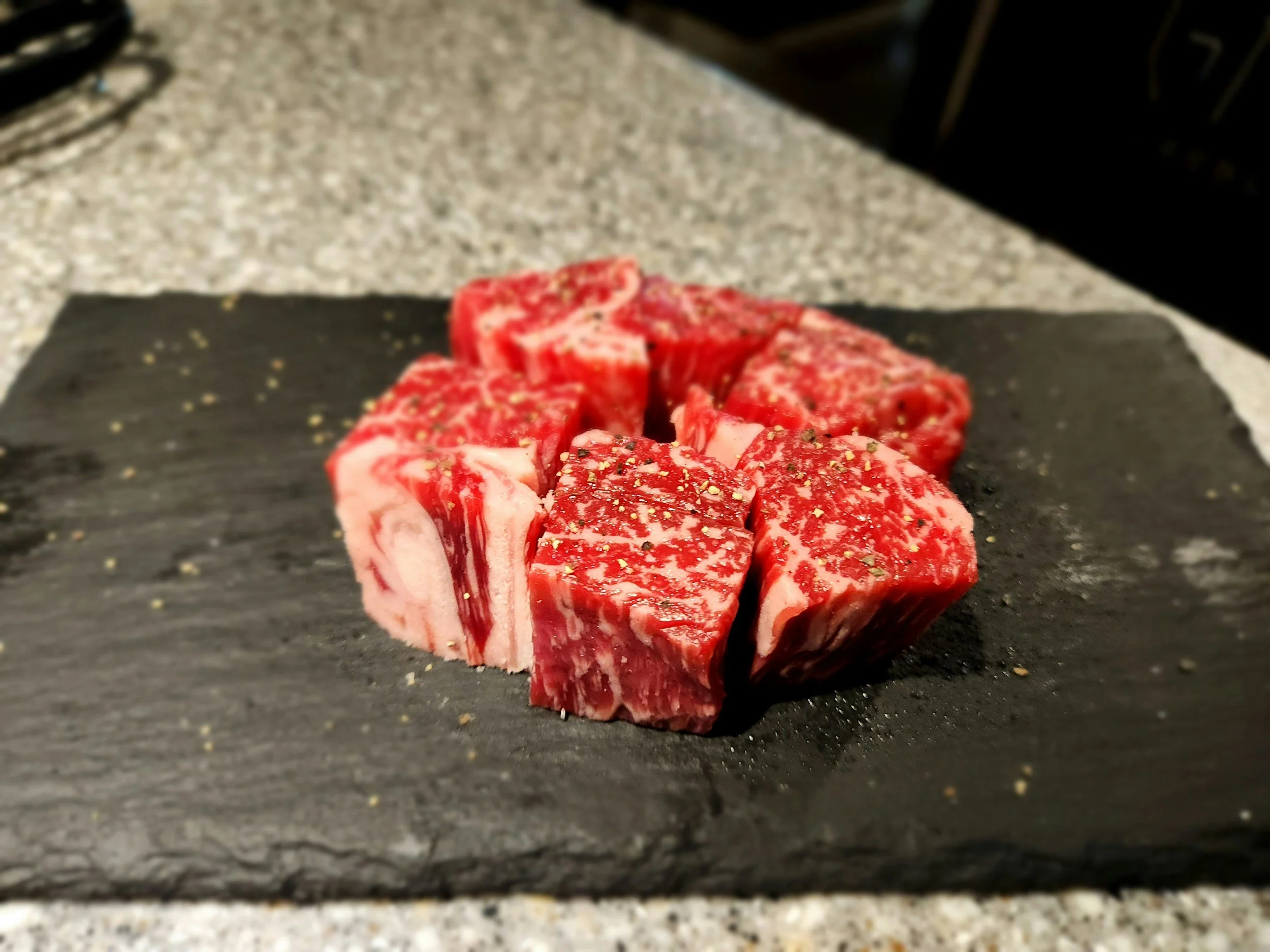
Iron
Low iron can be felt quickly in winter when energy is already more delicate. Iron carries oxygen throughout the body and keeps fatigue from settling in too deeply.
Foods to consider: grass fed beef, liver, lentils, leafy greens, molasses, black beans
Absorption trick: pair iron foods with something rich in vitamin C like beef with fermented veggies or spinach with a squeeze of lemon.
B Vitamins
B vitamins help convert food into energy and support the nervous system. They also influence mood, which is especially helpful during darker months.
Best sources: eggs, grass fed meats, nutritional yeast, whole grains, liver, tempeh and fermented grains
Simple way to use: stir nutritional yeast into broths and soups for a savory flavor full of B12.
Mineral Rich Broths
Our ancestors understood winter well. Bone broth simmered slowly and offered minerals like calcium, magnesium, and collagen. It warms the joints, soothes digestion, and feels like comfort you can hold in your hands.
How to make it: simmer chicken or beef bones with onion, garlic, celery, carrots, bay leaf, and a splash of apple cider vinegar to pull minerals from the bones.
Sip it straight or use as a base for soups, grains, and sauces.
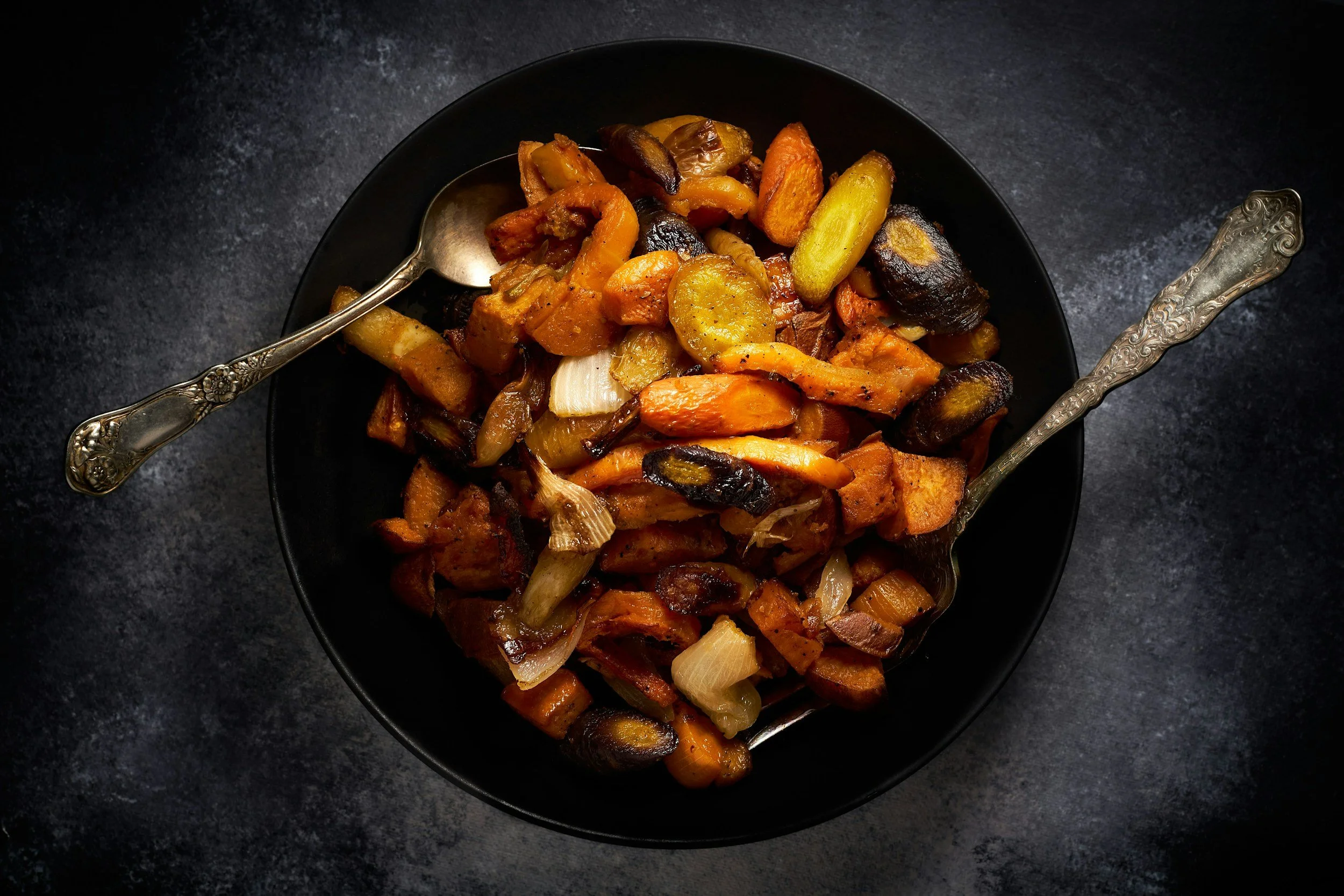
Root Vegetables
Root vegetables grow deep into the soil and store energy for the months ahead. Their natural starches support blood sugar and provide steady warmth. They are simple, grounding, and truly winter aligned.
My favorites to roast: carrots, parsnips, potatoes, beets, winter squash.
Roast them with olive oil and sea salt or mash them with ghee for creamy comfort.
Ferments and Probiotics
A resilient immune system begins in the gut. Fermented foods feed beneficial bacteria that support digestion, mood, and overall immunity. Winter used to rely heavily on ferments when fresh produce was scarce and that tradition still has purpose today.
Add to your plate: sauerkraut, kimchi, kefir, yogurt, miso, sourdough
One thing to remember: avoid heating ferments to keep the living bacteria alive.
Comfort Foods that Nourish Instead of Deplete
Winter invites slow meals, warm bowls, and cozy cravings. Comfort does not have to be empty and sugar heavy. It can be healing and nutrient dense. Warm oatmeal topped with berries and chia. Hot cacao with coconut milk. Baked apples with cinnamon and a drizzle of maple. Comfort can be soft and still unbelievably nourishing.
***
Winter is a season that asks us to pay attention. When daylight shortens and the pace of nature slows, we have an opportunity to support ourselves with intention rather than momentum. Nourishment becomes both fuel and maintenance, a practical way to keep our energy steady, our immune system supported, and our bodies functioning well through colder months.
Eating with winter in mind is not about perfection or pressure. It is about meeting your needs with awareness. When you build meals around minerals, vitamins, healthy fats, and whole foods, you are preparing your body for resilience. You are choosing steadiness over depletion, clarity over burnout, and care over neglect.
Think of winter nourishment as preparation rather than restriction. The foods you choose today strengthen your foundation for the season ahead. A warm broth, a serving of citrus, a handful of pumpkin seeds, a plate of roasted root vegetables — these are simple choices that add up to meaningful support.
As you move through this season, I hope you feel equipped rather than overwhelmed. May your meals leave you steady, replenished, and well-fed. May you enter spring not exhausted, but strengthened by the choices you made in the quiet of winter.
